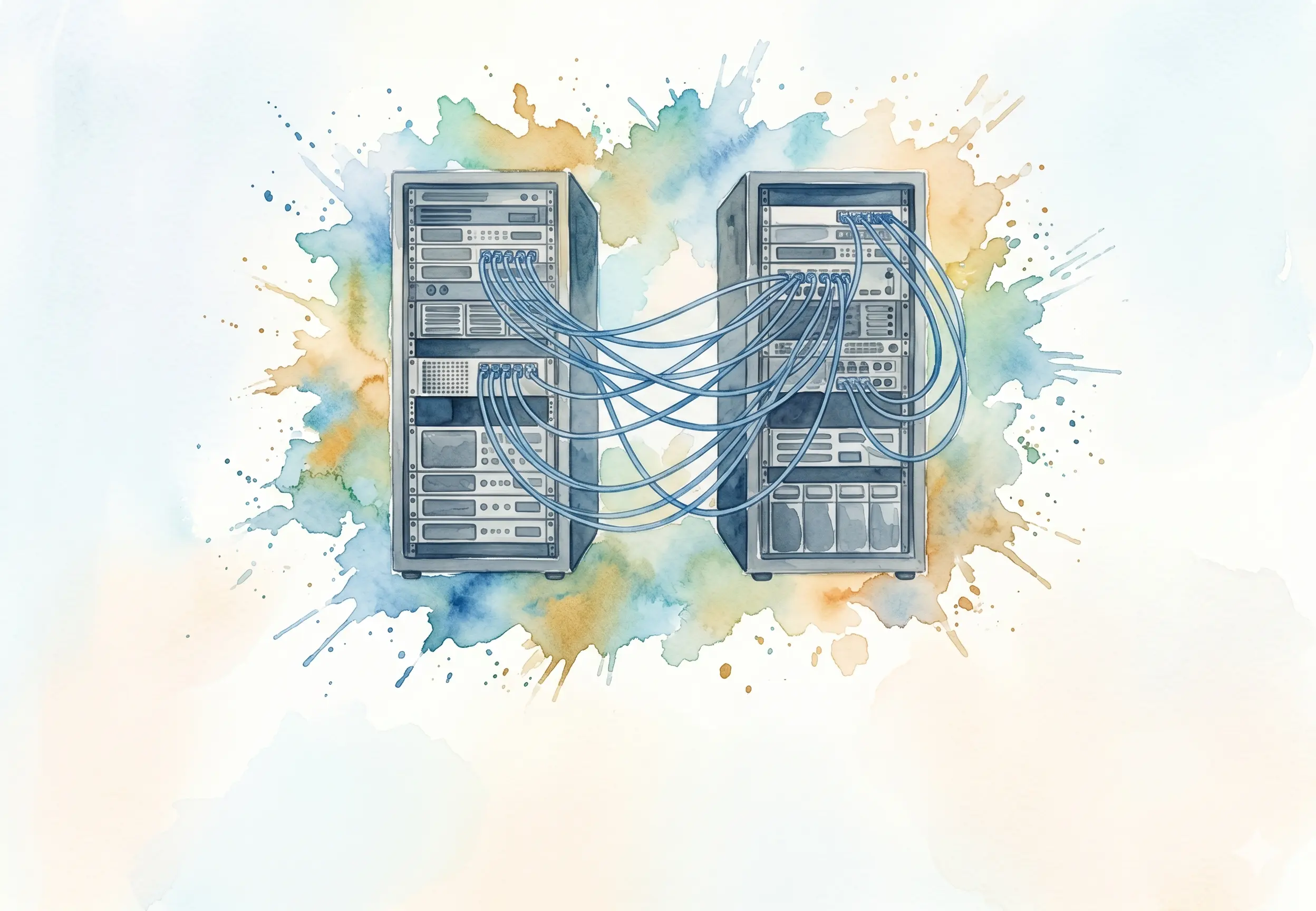
Causal Inference in Practice: Geo-Experiments vs. Synthetic Control
Traditional online A/B testing often breaks down in retail, marketing, and pharma because interventions are deployed at the store, region, market, or territory level rather than at the individual level. A retailer cannot show two shelf prices to two shoppers in the same aisle; a marketing team buys media at the DMA (Designated Market Area) level, where exposure is only partly controllable; a pharma team assigns field-force coverage by physician territory, not by patient.
Traditional online A/B testing often breaks down in retail, marketing, and pharma because interventions are deployed at the store, region, market, or territory level rather than at the individual level. A retailer cannot show two shelf prices to two shoppers in the same aisle; a marketing team buys media at the DMA (Designated Market Area) level, where exposure is only partly controllable; a pharma team assigns field-force coverage by physician territory, not by patient.
· Aug 12, 2026

Causal Inference in Practice: Geo-Experiments vs. Synthetic Control
By Djordje Grozdic · Aug 12, 2026How to measure causal effects when A/B testing is impossible: geo-experiments vs. Synthetic Control, with a real retail pricing pilot.

Agentic Harness Engineering: Taming Autonomous AI in Production
By Riya Kumari · Jul 10, 2026Raw autonomous agents on production networks are ungoverned root access. Agentic Harness Engineering isolates the reasoning loop from your infra.

Terraform Drift Detection: When Auto-Sync Is the Wrong Fix
By Dharshan Madhavan · Jul 2, 2026Auto-generated drift PRs launder emergency console changes into your source of truth. A triage model for which drift to codify, revert, or ignore.
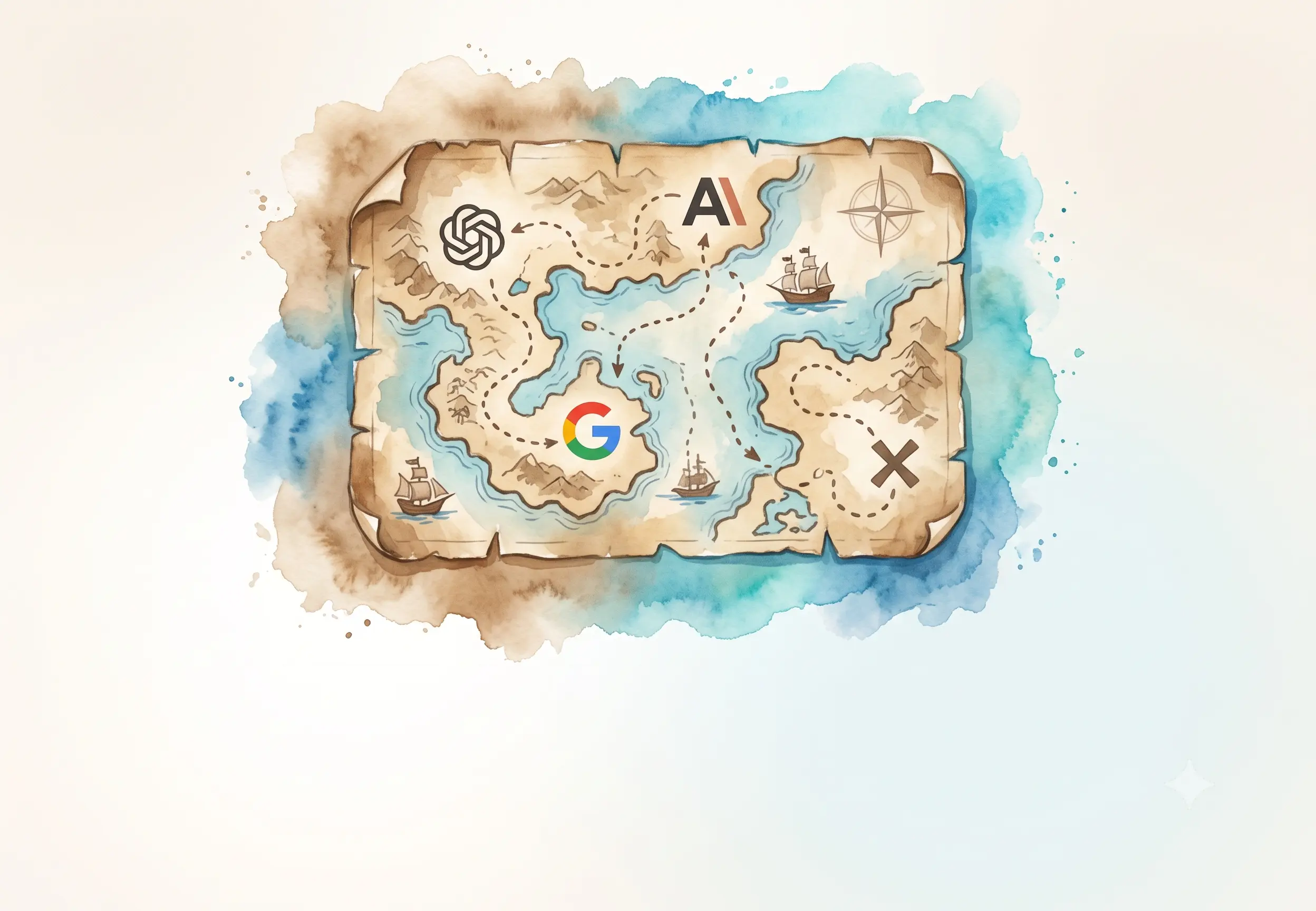
AI Isn't Just ChatGPT, Claude, Gemini — Here's the Rest of the Map
By Deepak Bhuvaneswaran · Jul 1, 2026ChatGPT is one branch of AI. Here's the rest of the map — four types that fail four different ways, and one bug behind all of them: context.
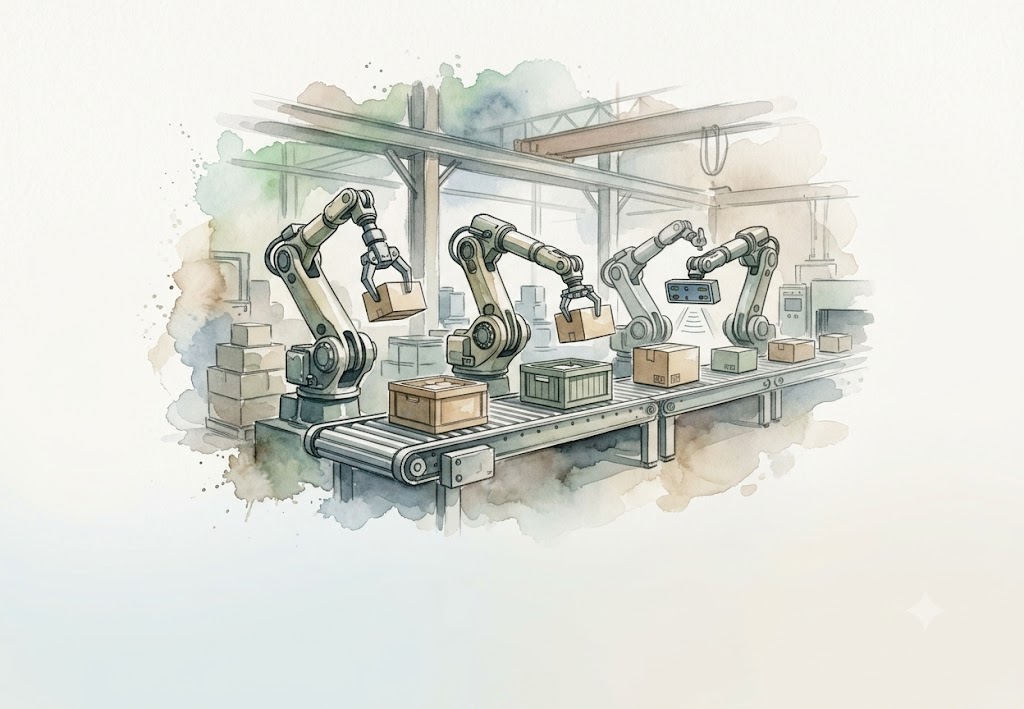
Staged Firmware Rollouts at the Edge: Designing for Rollback
By Gokul Ganesh · Jun 28, 2026Why edge firmware rollouts fail after passing every gate — and how dual-bank partitioning plus staged telemetry limits the blast radius.
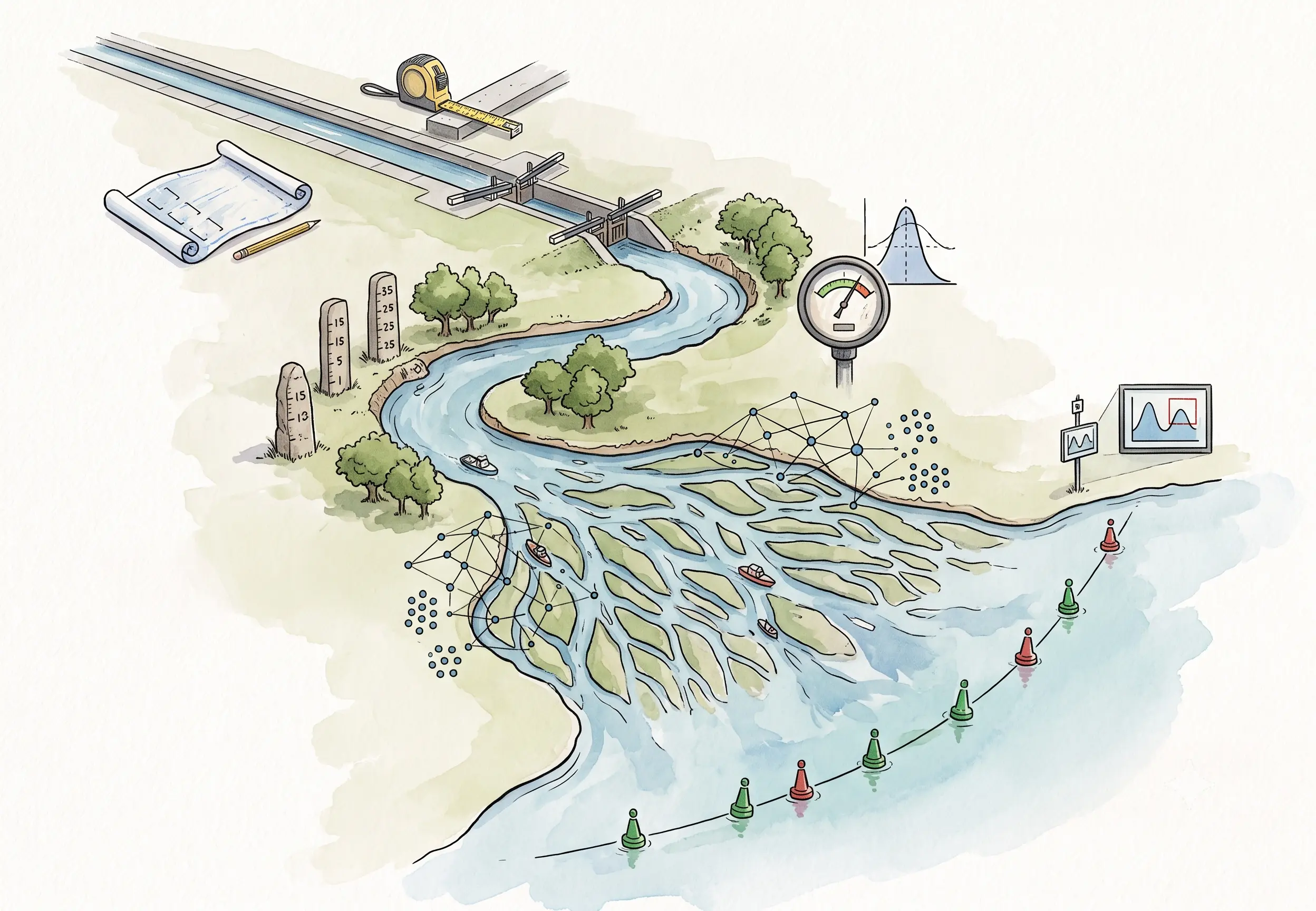
How Quality Engineering Must Change as AI Stops Being Deterministic
By Sanjay Kumar · Jun 24, 2026Testing rule-based AI verifies logic. Testing ML and generative AI audits behavior — here's how QE practice must change at each stage.
Beyond Vibe Coding: Objective-Validation Protocols for AI Code
By Vishnuram G · Jun 22, 2026From vibe coding to adversarial multi-agent TDD: a three-level framework for validating AI-generated code before it reaches human review.

Monitor your agent with Langfuse
By Adam Wrobel · May 12, 2026Trajectory observability for coding agents: which skills and tools actually run, in what order, and at what cost—wired to Langfuse from Claude Code.

From REST to WebRTC: Choosing the Right Protocol for Voice Apps
By Djordje Grozdic · May 4, 2026A comprehensive guide to selecting communication protocols for real-time audio, comparing WebRTC, WebSocket, REST/HTTP, gRPC, SIP, etc. for optimal performance and latency

Beyond ReAct: Advanced Reasoning Patterns for Production AI Agents
By Tigran Apoyan · Apr 21, 2026From self-reflection to meta-cognition—why foundational patterns fail at enterprise scale and what to use instead

Vasa Syndrome: We've Been Sinking the Same Ship for 400 Years
By Sviatoslav Shcherbatiuk · Apr 16, 2026The article is about bad product/delivery decisions wearing “AI digital transformation” as a costume

Design Is a Coding Job Now. Adapt, or Fade Out.
By Anastasiia Voievidka · Apr 3, 2026AI is reshaping design — not by replacing designers, but by exposing every gap in how teams work. The designers who don't shift toward coding with AI won't survive the transformation. Here's what's actually changing, and what to do about it.

From Failure to Skill: Designing a Universal /learn Command for Coding Agents
By G. Montenegro · Mar 27, 2026How to implement a portable /learn command that turns runtime failures into reusable skill updates or new skills.

Methodology as a Discipline in AI-Assisted Development: an OOA Example
By Aleksandr Kondratskii · Mar 22, 2026How methodology can make intermediate reasoning more visible, reviewable, and reusable in AI-driven workflows.

TDD in Agentic Workflows: Specs as Executable Guardrails
By Adam Wrobel · Mar 22, 2026Test-Driven Development becomes practical when delegated to AI agents. Tests written before implementation act as executable specs that keep agents on track.

AI Workflow Frameworks for Software Development: A Layered Comparison
By Aleksandr Kondratskii · Mar 18, 2026A practical taxonomy of AI software-development workflows that compares methodologies, control layers, skills systems, host-native agent capabilities, and integrated products.

Persistent Memory for AI Agents: Mem0 vs. Vertex AI Memory Bank
By Andrei Kopeikin · Mar 2, 2026A practical comparison of Mem0 and Vertex AI Memory Bank — two frameworks for giving AI agents persistent memory across sessions.
A Practical Commit Standardization Pattern for Teams and AI Coding Tools
By Sahil Satralkar · Feb 26, 2026A practical guide to standardizing commit messages using a shell script and documenting the workflow across AI coding tool instruction files.

Token Cache - a practical introduction
By Adam Wrobel · Jan 12, 2026In this post we cover the definition of the KV cache, benefits and use cases, and examples of code for major LLM providers

Building a Bitemporal Index (part 3): Storage
By James Henderson · Jan 8, 2026How XTDB avoids scanning all history for current-state queries by using HAMTs, LSM trees, and a 'recency' heuristic to index bitemporal events in remote object storage.

Building a Bitemporal Index (part 2): "Bitemporal Resolution"
By James Henderson · Jan 7, 2026How XTDB avoids the storage amplification and complexity of traditional bitemporal approaches by reconstructing history on-the-fly, playing events backwards through system-time.

No sci-fi, no philosophy: Capabilities and Limits of Neural Networks
By G. Montenegro · Dec 24, 2025Understanding neural networks as function approximators and their inherent limits.

Building a Bitemporal Index (part 1): A Taxonomy of Bitemporal Data
By James Henderson · Nov 25, 2025A technical deep-dive trilogy explaining how a bitemporal-aware database can handle and optimise for temporal data differently to general-purpose databases.
Offline AI Agent: OpenCode + LM Studio
By Aleksandr Kondratskii · Nov 22, 2025Guide to running an offline AI coding agent using OpenCode with LM Studio and the Devstral model.

Self-Service Analytics: How I Automated Daily Usage Reports in Under 3 Hours
By Volodymyr Voyevidka · Nov 18, 2025Building production automation for Cerebra's usage analytics using N8N and Gemini—without asking anyone for help

Comparative practical analysis of Agentic AI Frameworks capabilities in 2025
By Egor Borisov & Pavel Marchenko · Nov 6, 2025Overview of modern agentic frameworks and comprehensive comparison
A Tensor-Based Approach to Product Configuration
By Illia Krokhmalov · Oct 18, 2025Revised version incorporating co-innovation and business impact emphasis

Tools for LLMs step by step
By G. Montenegro · Sep 29, 2025Step‑by‑step guide on how system prompts define tool usage in large language models, with three difficulty levels covering basic calls, streaming inference, and token‑level fine‑tuning.

Determinism in LLMs
By G. Montenegro · Sep 19, 2025How to improve reproducibility in large language models.

From Zero to Agentic AI: My Journey with the Jetson Orin Nano Super Developer Kit
By Ihor Syrov · Sep 14, 2025A software engineer's story of building an autonomous AI agent that thinks, sees, and acts - all running on a device smaller than a smartphone

The idea of AGI is broken, hi SROW
By G. Montenegro · Sep 13, 2025SROW(Same Result in its Own Way) is the real way to measure AI impact

Running LLMs Locally: Read This Before You Try at Home
By G. Montenegro · Aug 31, 2025A basic practical guide of concepts to understand open language models.

Sketching the New Coding Paradigm from the Roots
By G. Montenegro · Aug 27, 2025A brief sketch of the basic rules for development in the world of AI agents
Agent-to-Agent (A2A) vs Model Context Protocol (MCP) for the Agentic Platform
By Maciej Blaszke · Jul 30, 2025A Technical Analysis and Comparison of the Agent-to-Agent (A2A) and Model Context Protocol (MCP)